


What is Omega-3?
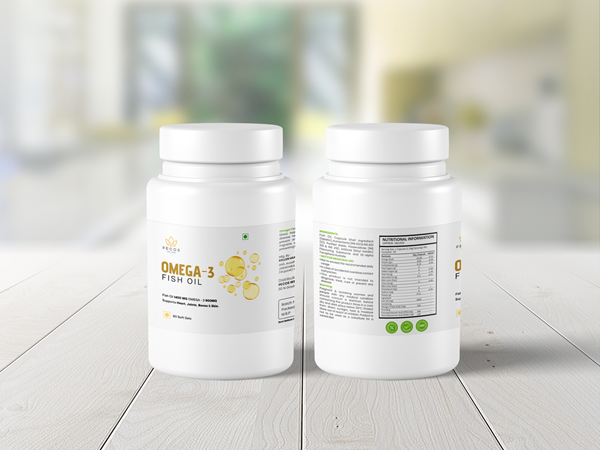
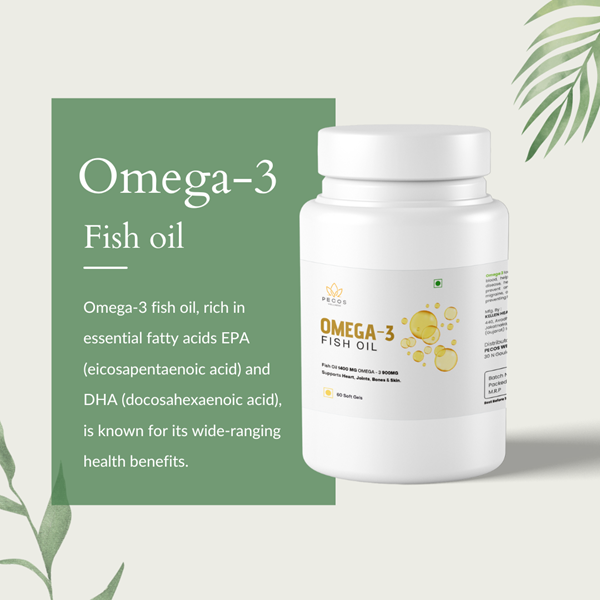
Omega-3 fatty acids are essential fats that the body cannot produce on its own. They must be obtained from food or supplements. These fats play a vital role in brain function, heart health, inflammation control, and overall well-being.
Types of Omega-3 Fatty Acids
- EPA (Eicosapentaenoic Acid) – Found mainly in fish oil, supports heart health and reduces inflammation.
- DHA (Docosahexaenoic Acid) – Essential for brain, eye, and nervous system development and function.
- ALA (Alpha-linolenic Acid) – Found in plant sources like flaxseed, chia seeds, and walnuts. The body can convert ALA into EPA and DHA, but only in small amounts.
Key Health Benefits
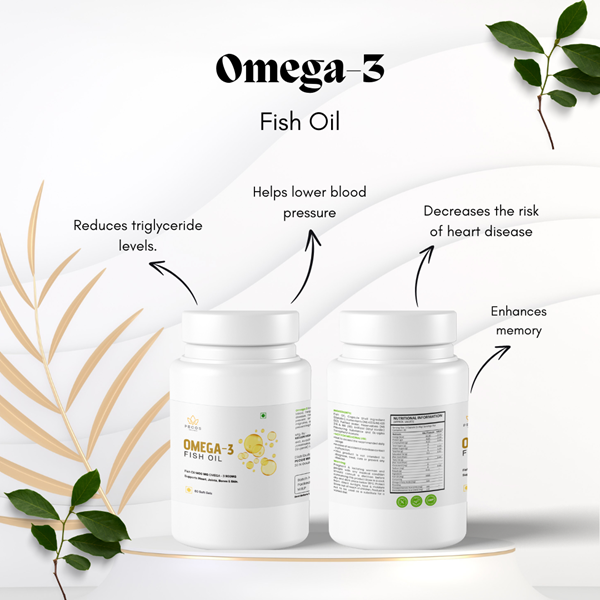
- Heart Health – Helps lower triglycerides, supports healthy cholesterol, and maintains blood pressure.
- Brain Function – DHA supports memory, focus, and mental clarity.
- Eye Health – Protects vision and may reduce the risk of age-related macular degeneration.
- Joint Support – Reduces stiffness and swelling in conditions like arthritis.
- Anti-inflammatory – Helps manage chronic inflammation in the body.
- Pregnancy & Child Development – DHA is critical for fetal brain and eye development.
- Mood & Mental Health – May help reduce symptoms of depression and anxiety.
Common Sources of Omega-3
- Fish oils: Salmon, mackerel, sardines, tuna, cod liver oil.
- Plant-based sources: Flaxseeds, chia seeds, walnuts, hemp seeds, soybeans.
- Supplements: Fish oil capsules, krill oil, algal oil (vegan source).
Recommended Usage
- General health: 250–500 mg of combined EPA + DHA daily.
- Specific conditions (like high triglycerides): Higher doses as advised by a doctor.
- ALA (from plants) should be included in the diet, but direct EPA & DHA supplements are often recommended for best results.
Possible Side Effects
Omega-3s are generally safe, but high doses may cause:
- Fishy aftertaste or burps
- Upset stomach or loose stools
- Rarely, increased bleeding risk (in people taking blood thinners)
Safety & Storage
- Store in a cool, dry place away from direct sunlight.
- If using fish oil, ensure the product is purified to remove heavy metals.
- Keep capsules sealed tightly to prevent oxidation (rancid smell means it has gone bad).
In summary:
Omega-3 fatty acids are vital nutrients that support heart, brain, eye, and joint health. Since the body can’t produce them, regular intake through diet or supplements is essential for long-term wellness.




Reviews
There are no reviews yet.